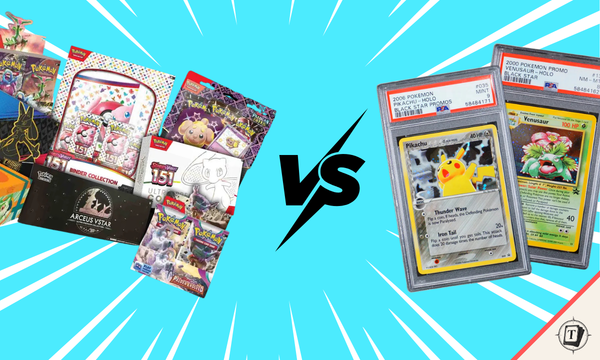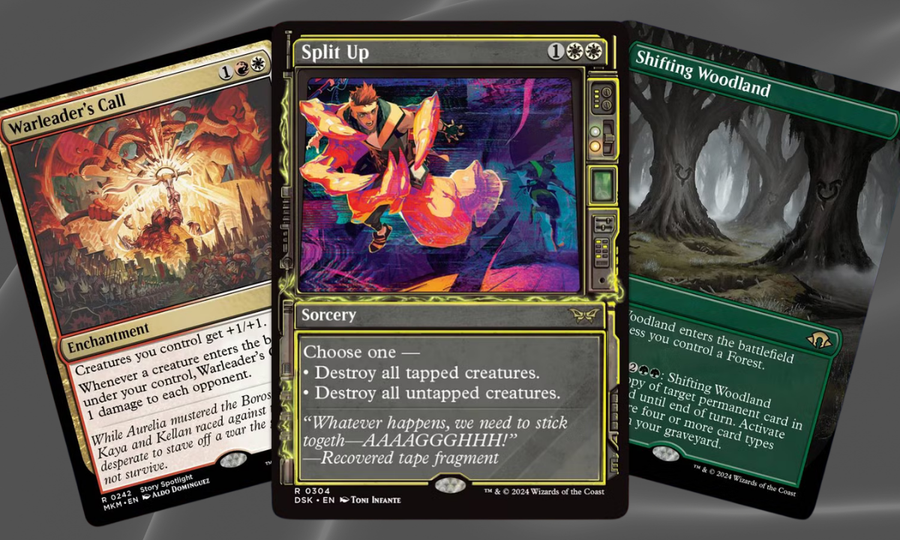

Picture this. It is a Tuesday morning, and a specific Pokémon card is sitting at $45 on TCGPlayer. A prominent YouTuber uploads a video at noon (use your imagination, there’s plenty that come to mind). By 3pm, that same card is listed at $90, and the cheap copies are already gone. By the time the average collector sees the video that evening and thinks “actually, I want one of those,” they are buying at the peak. The creator, meanwhile, has moved on to the next video. This is not a hypothetical. This is Tuesday in the modern TCG market and goes well beyond just Pokémon.
Content creators have become, without any exaggeration, one of the most powerful forces shaping card prices in the hobby today (don’t tell them that, their ego is already high enough). Not actual investors, not Konami, not even The Pokémon Company themselves, but individual people with cameras, microphones, and subscriber counts. Here at The TCG Times, we have watched this dynamic evolve in real time, and we think every serious collector and/or investor needs to understand exactly how it works if they want to stay ahead of it, sounds hard kinda is, kinda isn’t. We’ve got your back, don’t worry.
From Card Shop to Content Studio
Cast your mind back to how TCG market information used to travel. You heard something from your local game store owner, or from a friend at a tournament, or your brother’s friend passed some information down the grapevine. Market trends took days, sometimes weeks, to ripple outward from their source. The person with the earliest information had a genuine, sustained edge.
That world is gone (longgg gone). Today, a single video from a creator with a few hundred thousand subscribers can shift global market caps within hours. The information advantage has not disappeared, it has just been compressed into an almost impossibly short window. The people who benefit now are not the ones who hear the news first… they are the ones who are positioned before the news breaks.
The Celebrity Crossover and What It Changed
The moment that crystallised how significant external influence had become for the TCG market was the wave of celebrity involvement and the name that comes up most often is Logan Paul. Whether you consider his involvement a positive or a negative for the hobby (and opinions are very strong on both sides, we know and kind of sick of hearing about it), the financial impact was undeniable. His high-profile pack openings and purchases injected an entirely new audience into the Pokémon market almost overnight, pulling in people who had never thought about card values in their lives. That new audience brought new demand, and new demand pushed prices. Now reaching into Once Piece and even Yu-Gi-Oh! (Yes, to us it seems like a cash grab for him to raise the price of his own collection)
The broader lesson wasn’t really about Logan Paul specifically. It was about what happens when a TCG gets a moment of mainstream cultural visibility, and this has been happening for years! The hobby goes from being a contained ecosystem with its own price logic to something exposed to an almost unlimited pool of potential buyers who have no historical reference point for what anything should cost. They just know they want in. And as we explored in our piece on FOMO and market psychology, that kind of demand is powerful, fast-moving, and very often irrational (VERY irrational).
The Hype-to-Price Pipeline
Understanding the mechanical process by which creator content drives prices is genuinely useful for investors. It almost always follows the same sequence.
A creator identifies a card, either because they genuinely believe in it, because they already own copies, or sometimes both (and the distinction matters, which we will come to). The video goes live. Viewers, particularly less experienced collectors who trust the creator’s judgment, begin buying. This clears low-end inventory on platforms like TCGPlayer and Cardmarket. Remaining sellers, seeing the inventory drop and sensing momentum, relist at higher prices. The price chart spikes! Other creators cover the spike as news, bringing a second wave of buyers in our market movers we add insights like this to give you a better chance of understanding this. The card is now fully in a hype cycle, and traditional valuation has gone out the window. This jump could be hundreds or thousands of $$$.
This is the exact dynamic that produces the kind of near-vertical price graphs followed by equally sharp corrections that anyone who has spent time watching the TCG market will recognise immediately. The hype cycle isn’t a bug in the system. For a certain type of short-term speculator, it is the product. For the unprepared long-term collector who bought at the top, it is a painful and expensive lesson.
The Conflict of Interest Problem
Here is the uncomfortable part, and we would be doing you a disservice not to address it directly. A non-trivial number of TCG content creators own significant quantities of the cards they choose to feature. This is not always disclosed (almost never), and even when it is, the disclosure is often buried. When a creator with 500,000 subscribers tells their audience that a particular card is “massively undervalued right now,” and that creator happens to own a hundred copies of it, the line between genuine market analysis and a personal exit strategy gets blurry very quickly. Kind of like a crypto pump and dumb.
We are not saying every influencer is operating this way, many are genuinely passionate members of the community who call things as they see them and more “good guys and gals” are popping up every day. Shout out to Coops for giving that side of the hobby some visibility. But as an investor, you should always be asking “what does this person own?” before you ask “should I follow their advice?” The same scepticism you would apply to a stock analyst with undisclosed holdings applies here. This is a market like any other, and it has the same human tendencies. Money is always a driver.
Using Creator Activity as a Signal, Not a Trigger
Here is the reframe that actually makes this useful for investors. Rather than treating creator content as a buy signal, treat it as a market sentiment indicator. When a card starts appearing across multiple major channels in a short window, that is a signal that a hype cycle is either building or already underway. The savvy move is rarely to buy in at that moment. It is to note the card, watching how the price behaves over the following weeks, and look for the inevitable correction that follows the peak. A basic example is when a new set comes out, lot of cards from the set start high and usually by a couple weeks they level out.
This connects directly to the core discipline we covered when discussing scalpers and how artificial market forces affect portfolio value. In both cases, the mechanism is the same: a short-term force inflates prices beyond sustainable levels, smart money identifies the peak, and patient investors buy during the correction that follows. Creator hype is just another version of that pattern. This pattern becomes super clear within a few months of collecting/investing for most.
The TCG Times’ Verdict: Watch What They Do, Not Just What They Say
Content creators are not the enemy of the TCG investor (most of the time…). In fact, used correctly, they are one of the most valuable free tools available to you. They surface cards, generate community discussion, and sometimes legitimately identify undervalued pieces before the broader market catches on. The problem is when you treat creator’s opinion as a substitute for your own research rather than one input among many.
Watch the major channels. Pay attention to what is getting coverage and when. But before you make any purchase decision, ask yourself whether the fundamentals support the hype, or whether you are simply reacting to someone else’s excitement. Those are two very different things, and in this market, telling them apart is the whole game. But remember sometimes ripping packs is more fun than chasing the cash.
Disclaimer: The TCG Times is a news and educational platform. All content provided is for informational purposes only and should not be construed as professional financial advice. Trading cards are high-risk, volatile assets. Past performance is not indicative of future results. Always perform your own due diligence before making any financial decisions.