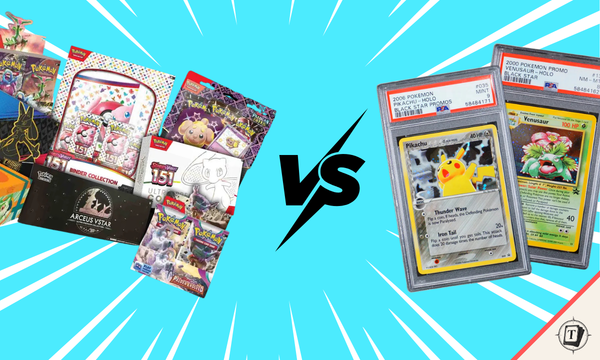
The global phenomenon that is Pokémon Trading Card Game presents collectors and investors with a fascinating choice: do you focus your portfolio on the English-language releases, or do you venture into the often-earlier, sometimes higher-quality (more so past releases) realm of Japanese Pokémon? This isn’t merely a language preference, it’s a strategic decision with significant implications for demand, value retention, and accessibility. Here at The TCG Times, our research team has meticulously analysed both markets, and while each offers unique advantages, a clear picture emerges for the discerning investor.
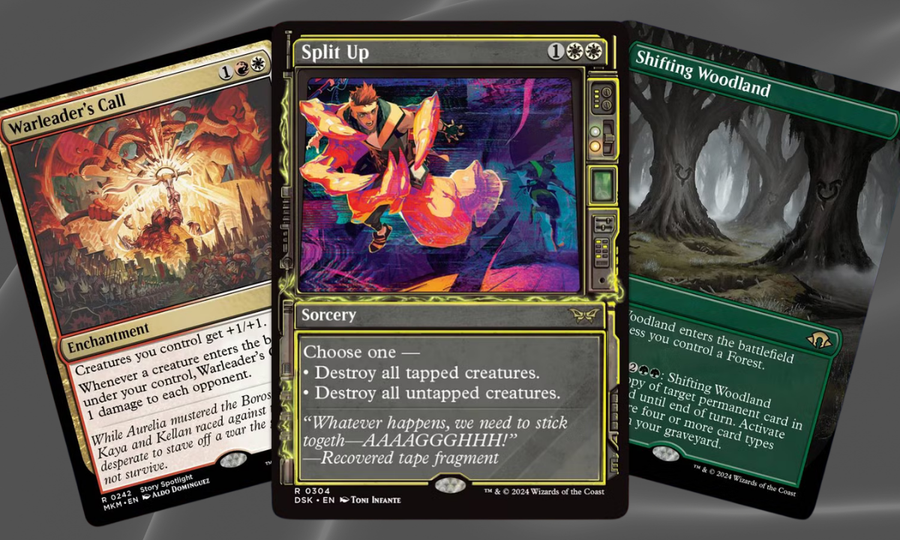
The ongoing discussion extends beyond just Pokémon to other major TCGs, including Yu-Gi-Oh!, One Piece, and Dragon Ball Super. The original Japanese releases often set the pace, we saw with the Destined Rivals release, showcasing new artwork and card mechanics weeks or even months before their international counterparts. This makes the Japanese market a powerful indicator of upcoming trends and highly sought-after cards. And addtionally shows the English card investors with a keen eye can often glimpse the future of the English market by observing Japanese pre-release hype and initial secondary market performance.
The Case for Long-Term English Dominance
For long-term investment, The TCG Times team holds a strong stance: English cards generally hold value longer and command higher overall demand. But in saying this, the Japanese cards still have a place for the investors. Our analysis points to several key reasons for this enduring dominance:
- Broader Player Base and Collector Market: The sheer volume of English-speaking collectors and players worldwide dwarfs that of any single foreign language market. This global reach translates directly into a larger, more liquid secondary market for English cards, ensuring consistent demand over time.
- Accessibility of Information and Community: English is the lingua franca of online TCG communities. Decklists, market analysis, news, and fan discussions are predominantly in English, making it easier for a wider audience to understand, appreciate, and seek out specific cards.
- Cultural Familiarity and Nostalgia: For a vast number of collectors in Western markets, English cards represent their childhood, their first packs, and the language in which they experienced the Pokémon phenomenon. This deep-seated nostalgia is a powerful driver of long-term value, particularly for iconic early sets. We see this with people in their late 20s and early 30s getting back into the hobby.
- Grading Consistency: While grading companies like PSA and Beckett grade both Japanese and English cards, the higher volume and consistent demand for English cards often mean a more robust and predictable graded market.
When we were looking into the topic, it became evident that for core investment pieces, especially those intended for long-term holding and potential sale to a global audience, English remains the safer and often more lucrative bet across all major TCGs like Pokémon, Yu-Gi-Oh!, One Piece, and Dragon Ball Super.
The Appeal of Japanese Cards: Art, Accessibility, and Early Trends
Despite the long-term investment edge of English, Japanese cards offer a compelling proposition, particularly for new entrants to the hobby or those who prioritise the aesthetic and joy of collecting over pure speculative value. The TCG Times agrees that for someone new to the hobby or someone who genuinely appreciates the actual art on the card, the Japanese route often provides more availability to get cards you enjoy with a lower barrier to entry in regard to the cost of the cards.
Here are the key advantages of investing in Japanese cards:
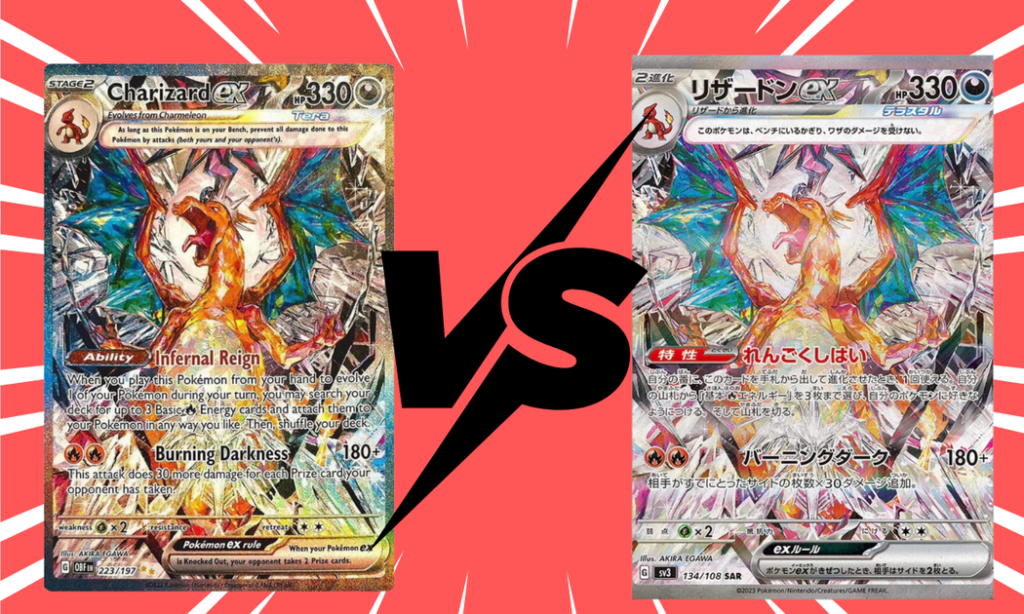
- Superior Print Quality: It’s a widely acknowledged truth within the TCG community that Japanese print quality often surpasses its English counterpart. Cards tend to have better centering, richer colors, and a more consistent finish, which is a significant draw for art enthusiasts and those seeking pristine examples for grading.
- Art Appreciation: For many, the Japanese versions simply look better. The vibrant colours and sharp details make the artwork truly “pop” for lack of a better word, offering a heightened aesthetic experience that many collectors cherish. (NOT SCALPERS)
- Leading the Meta and Market Trends: Japanese sets are typically released weeks or months before their English equivalents. This gives savvy investors an early look at new mechanics, powerful cards, and potential chase rares. Observing the Japanese market allows one to anticipate which cards might explode in value when they eventually arrive in English. This doesn’t just benefit investors but also real TCG players.
- Lower Barrier to Entry (Often): Due to larger print runs and a market that, while passionate, is often less driven by pure speculation than the Western market, many desirable Japanese cards (especially those below the ultra-rare tier) can be acquired at a lower cost than their English counterparts. This makes it easier for new collectors to obtain beautiful, sought-after cards without significant financial strain. Most of the time…
- Unique Rarity Tiers and Promos: Japanese sets sometimes feature unique rarity tiers or promotional cards that never see an English release, creating exclusive collecting opportunities.
This accessibility and focus on art extends across the board. For Yu-Gi-Oh! collectors, Japanese Ultimate Rares or specific promo cards are legendary. One Piece and Dragon Ball Super collectors also often find stunning, more affordable art cards in their Japanese printings. Plus with the rise of how hard it can be to even get your hands on a single pack, we are seeing both collectors AND investors moving from Pokémon to One Piece in recent times.
The TCG Times’ Verdict: A Balanced Portfolio is Key
Ultimately, the choice between Japanese and English isn’t an either/or, but rather a strategic allocation. For core, long-term investment growth and maximum liquidity, English cards remain the backbone of a robust TCG portfolio, especially for Pokémon.
However, completely overlooking the Japanese market would be a disservice to the hobby’s rich history. For those who derive immense joy from the actual design of the cards, who appreciate superior print quality, and who want to collect desirable pieces without the immediate speculative pressures of the English market, Japanese cards offer an incredibly rewarding collecting experience. They also serve as an invaluable indicator for anticipating future market movements. As investors here its tough to say this, but sometimes it isn’t all about the money.
The TCG Times team advises investors to consider a blended approach. Anchor your portfolio with strong English investment pieces, but don’t shy away from incorporating select, highly aesthetic, or historically significant Japanese cards that resonate with your personal collecting passion. This allows you to leverage the long-term stability of the English market while enjoying the unique benefits and earlier insights offered by Japanese releases, creating a truly diversified and personally fulfilling TCG portfolio.