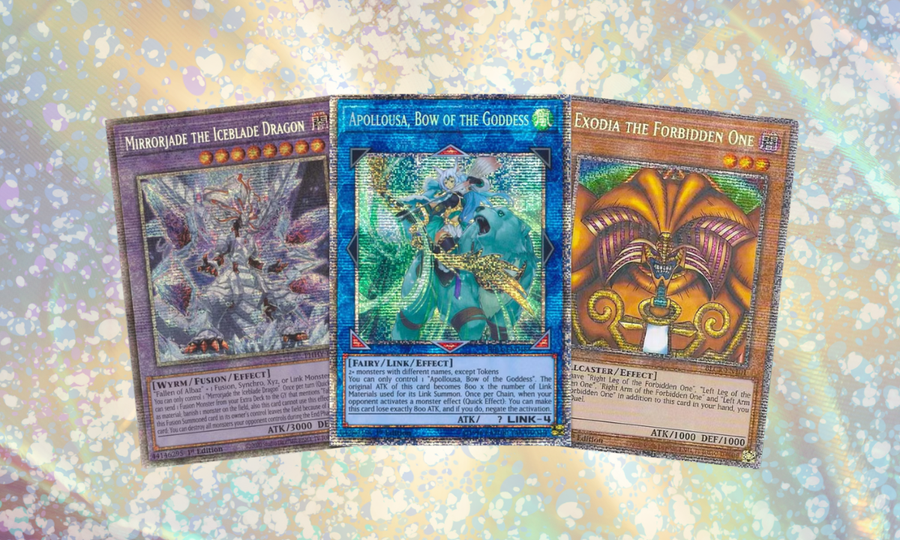
In the dynamic, ever-shifting landscape of Yu-Gi-Oh!, card values are typically a rollercoaster ride, even the team here struggles to keep up. A meta-defining staple today can become a binder fodder tomorrow, that is if it even makes it to a binder, its price plummeting as the competitive landscape evolves. However, a particular rarity stands as a defiant exception to this rule… the Starlight Rare. These aren’t just rare, they are what the community refers to as “Tier 0 Rarities”. Cards that transcend meta shifts, defy reprints, and consistently hold, if not appreciate, in value. Our research team has undertaken a data-driven deep dive into why these cards are not merely beautiful, but a cornerstone of any robust Yu-Gi-Oh! investment portfolio. This is a financial site after all.
Yu-Gi-Oh! is one of the only TCGs to truly master the art of bringing high-value, ultra-rare cards and seamlessly combining them with genuine playability. While other games might have high-end collector pieces, Yu-Gi-Oh! often sees its rarest cards actively used in competitive play. Indeed, you’d probably see someone using a Starlight Rare Accesscode Talker in a competitive match with a PSA slab over the top (that’s a joke, chill homie), that’s the level of dedication and pride these cards inspire! You understand what we mean, these aren’t just display pieces, they are trophies you bring into war.
The crucial distinction lies in their ability to maintain value. Usually, cards whose worth is tied solely to their competitive efficacy tend to plummet once the meta changes, or when they are inevitably reprinted in a lower rarity. The TGC Times team agrees that these Tier 0 rarities, primarily Starlight Rares, but also encompassing Quarter Century Secret Rares and highly sought-after Collector’s Rares, trump this conventional thought. They hold value in a way that many other TCGs haven’t grasped as well as Yu-Gi-Oh!
What Defines a “Tier 0” Rarity?
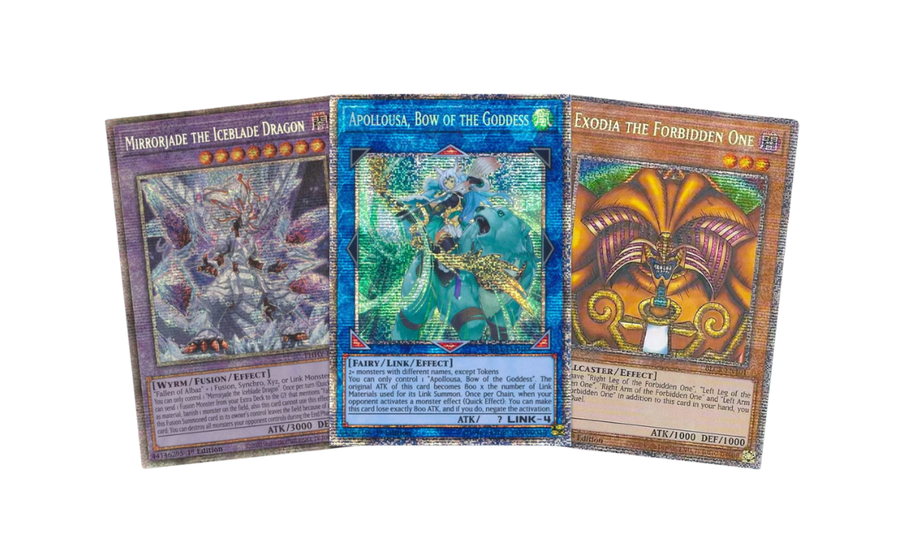
A “Tier 0” rarity, in The TGC Times’ vocabulary, signifies an ultra-premium card that possesses an almost unparalleled combination of extreme scarcity, stunning aesthetic appeal, and more often than not a competitive relevance. Starlight Rares, first introduced in Rising Rampage, epitomise this. They feature a unique vertical rainbow foiling pattern that catches the light in a spectacular fashion, immediately setting them apart. Their pull rate is notoriously low, often cited as one per case (12 booster boxes) or even rarer, making them genuinely scarce. As investors, buying 12 boxes and hoping clearly isn’t the way.
This scarcity, combined with their visual, is the bedrock of their enduring value. When we were looking into the topic, it became clear that a Starlight Rare’s worth isn’t solely dependent on whether the monster it depicts is currently a top-tier threat. Instead, its value is from its status as an aspirational, ultra-rare collectible.
The Data Doesn’t Lie: Meta-Proof Value Retention
Our analysis of Starlight Rares over time paints a picture of stability and growth, regardless of the card’s competitive standing. Consider a card like “Apollousa, Bow of the Goddess.” At its peak competitive relevance, the Starlight Rare version commanded a significant premium. Even as Apollousa’s presence in the meta has fluctuated, or as it’s seen multiple lower-rarity reprints, the Starlight Rare has consistently held a high floor, with gradual appreciation over the long term. This is a stark contrast to the dramatic swings seen in its Secret Rare or Ultra Rare counterparts.
Here’s why Starlight Rares offer this meta-proof value:
- Extreme Scarcity: The limited supply means there simply aren’t enough to go around for every collector or player who wants one. This scarcity acts as a powerful buffer against market downturns.
- Aesthetic Appeal: The unique foiling is universally admired. Collectors often acquire Starlight Rares purely for their visual impact, even if they don’t play the game competitively.
- Collector Status: Owning a Starlight Rare signifies a commitment to the hobby’s high end. These are trophy pieces, representing the pinnacle of a collection.
- “Holy Grail” Syndrome: For many Yu-Gi-Oh! enthusiasts, specific Starlight Rares become “holy grail” items, driving sustained demand even years after their release.
This phenomenon is distinct. While a rare Pokémon card might hold value due to iconic status and nostalgia, and a rare Magic card due to reserved list status, Yu-Gi-Oh! Starlight Rares manage to merge competitive prestige (when applicable) with extreme scarcity and awesome aesthetics into a single, highly liquid asset class. The TGC Times team agrees that this synergy is something other TCGs are still learning to emulate to this current day.
Investing in Tier 0 Rarities: Strategies for Success
For investors looking to leverage the power of Starlight Rares and other Tier 0 rarities, The TGC Times offers several key strategies:
- Prioritise Condition: Given their high value, condition is paramount. Always aim for Near Mint or professionally graded copies.
- Identify Iconic Monsters/Staples: While meta relevance isn’t the sole driver, Starlight Rares of iconic monsters (like Blue-Eyes White Dragon) or timeless competitive staples tend to perform exceptionally well.
- Be Patient and Strategic: Acquiring Starlight Rares often requires patience. Be ready to act when opportunities arise, but don’t overpay for FOMO (fear of missing out). Remember you’re not just going up against collectors and inventors but also actual TCG players who may have a bit of extra cash for something like this.
In conclusion, the Starlight Rare is more than just a beautiful card; it’s a testament to Yu-Gi-Oh!’s unique ability to create genuinely high-value collectibles that defy the usual depreciation curve. By understanding the anatomy of these Tier 0 rarities, investors can confidently build a portfolio that not only boasts some of the most stunning cards in the game but also benefits from their meta-proof, long-term value appreciation. If you’re serious about Yu-Gi-Oh! investing, these hidden gems are not just an option, but a necessity.