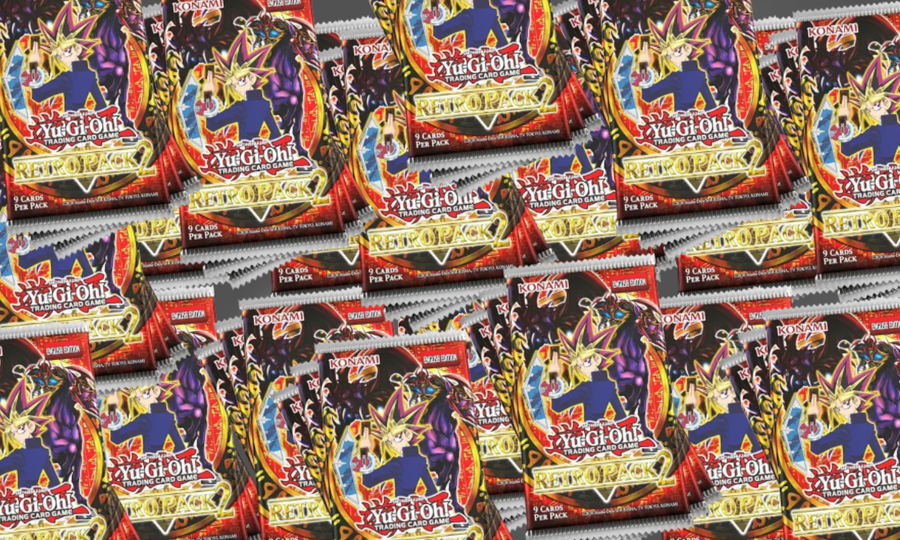
The world of Yu-Gi-Oh! is a whirlwind of strategy, ever-evolving archetypes, and, for collectors and investors, a constant dance with the reprint machine. Unlike some other TCGs, Konami’s approach to reprints can feel relentless, making it a unique challenge for those looking to build a stable portfolio. Powerful, meta-defining cards often see multiple printings across various sets, leading to significant price fluctuations that can trap unsuspecting investors. Here at The TCG Times, we’ve observed this phenomenon closely, and our research team has been working to understand how best to navigate this turbulent market.
This continuous reprinting creates a fascinating dilemma. On one hand, it’s undeniably beneficial for the game’s health and accessibility. Imagine a 12-year-old walking into a store, hoping to pick up a pack of the latest set, or a parent buying cards for their child’s birthday. Reprints ensure that key cards remain affordable and available, preventing the kind of crippling scarcity we often see in other games, where scalpers and inflated secondary market prices become the main entry barrier. The TCG Times team agrees that this accessibility is vital for the hobby’s long-term growth and for bringing new blood into the community.
However, for the dedicated collector and investor – for us and for you, the reader – this constant reprinting can feel like a direct hit to the value of our portfolios. A card purchased for a significant sum can, within months, see its value plummet after a new reprint set drops. This creates a “reprints trap,” making traditional card investment incredibly risky in Yu-Gi-Oh! The question then becomes: how do we protect our assets in a game designed to make powerful cards accessible, often at the expense of their secondary market value?
The Yu-Gi-Oh! Investment Landscape: A Distinct Challenge
Yu-Gi-Oh!’s design philosophy, more so than many other TCGs, often leans into making powerful cards widely available. Meta-defining staples, hand traps, and core engine pieces frequently find their way into subsequent sets, structure decks, or special rarity collections. This ensures that competitive play remains relatively affordable, fostering a healthy tournament scene. However, this also means that a card’s competitive utility rarely translates directly into long-term investment growth unless it possesses a very specific characteristic.
When we were looking into the topic, it became clear that the reprints trap impacts common, rare, super rare, and ultra rare versions of cards the most. Even Secret Rares, once considered a safe bet, can be reprinted as lower rarities or even as other Secret Rare versions, diluting their original market premium. This contrasts sharply with games where scarcity is more strictly maintained, allowing even lower rarity cards to appreciate significantly if they become meta-relevant.
Max Rarity: The Unofficial Safe Haven for Your Portfolio
Given this challenging environment, The TCG Times has identified a critical strategy for genuine card investors: focus on “Max Rarity” versions. These are the cards that, by their very nature and extreme scarcity, tend to defy the general devaluation caused by reprints. We’re talking about:
- Starlight Rares: Introduced in sets like Rising Rampage, Starlight Rares are incredibly rare pull rates, often depicting iconic monsters or highly sought-after competitive cards with a stunning vertical foiling pattern. Their scarcity is baked into their existence.
- Quarter Century Secret Rares: Celebrating the game’s 25th anniversary, these cards are ultra-premium versions with unique foiling and a distinctive watermark. They represent a historical moment and are produced in extremely limited quantities, making them instant collector’s items.
- Ultimate Rares (especially older ones): Particularly those from the GX era and earlier, Ultimate Rares feature a unique embossed texture on the card art and border. Their distinct aesthetic, combined with their original low print runs, makes them highly desirable and less susceptible to subsequent printings of the same card in a different, lower rarity.
- Collector’s Rares: Similar to Starlight Rares in their pull rate and premium feel, these offer another tier of high-end collectibility, often with a unique textured finish.
The rationale behind investing in Max Rarity is straightforward: depiction is not endorsement. While a common version of a card might be reprinted five times, the Starlight Rare version of that same card remains a Starlight Rare. Its value isn’t derived solely from its playability (though that certainly helps), but from its extreme scarcity, aesthetic appeal, and status as a collector’s item. These versions are produced in such limited quantities that they exist in a different market segment altogether. They are the trophies, the showcases, and the true collectibles.
Even if a staple like Ash Blossom & Joyous Spring sees a new common printing every year, the original Starlight Rare will maintain its premium because it offers something functionally identical but aesthetically superior and astronomically rarer. Our data suggests that these Max Rarity cards hold their value and even appreciate over time, even as lower rarity versions become readily available. They are, in essence, the “blue chip” investments of the Yu-Gi-Oh! TCG market, offering a hedge against the inevitable reprint storm.
Balancing Accessibility and Investor Value: A Publisher’s Tightrope Walk
The TCG Times understands Konami’s tightrope walk. They need to keep the game accessible for new players and casual enthusiasts, ensuring that competitive decks don’t become prohibitively expensive due to single card prices. This is why reprints are a necessary evil for the game’s long-term health. We want to see that 12-year-old kid walk into a store and grab a pack, and parents be able to buy cards for a kid’s birthday without breaking the bank.
However, we also advocate for a clearer distinction between player-focused products and collector-focused products. The introduction of Max Rarities like Starlight and Quarter Century Secret Rares is a step in the right direction. It allows Konami to reprint competitive cards at lower rarities, satisfying the player base, while simultaneously creating ultra-premium versions that cater to the investment and collector community. This strategy allows for a healthy ecosystem where some sets might be a “war to get a pack” for the truly rare, high-end collector versions, but fundamental gameplay pieces remain available for everyone.
For serious investors, our collection value calculators can help you track the long-term trends of these Max Rarity assets, providing insights into their performance relative to their more common counterparts.
In conclusion, while the Yu-Gi-Oh! reprint trap is a very real threat to many investors, focusing your portfolio on Max Rarity versions offers a robust defense. By understanding the game’s unique market dynamics and prioritising scarcity over mere playability, you can build a resilient portfolio that withstands the waves of reprints and continues to appreciate, providing a safe haven in a constantly evolving game.