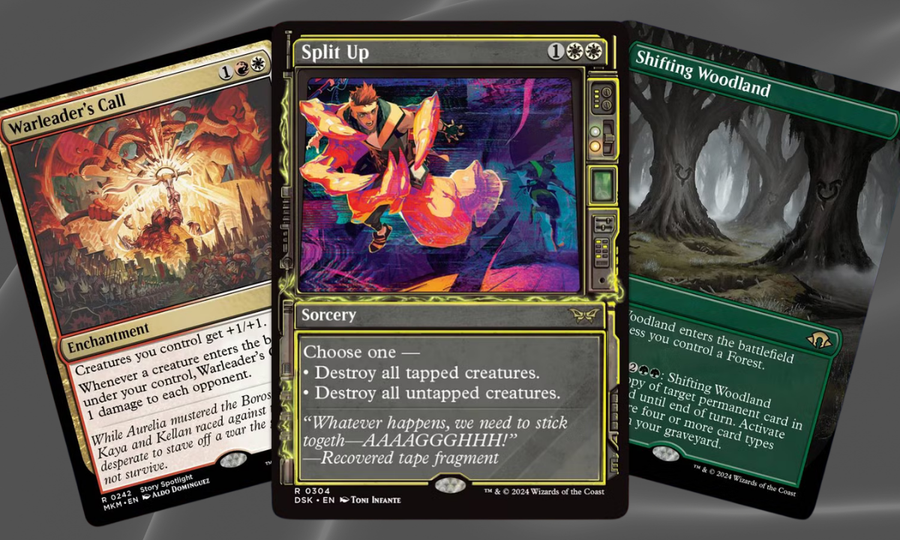

In the modern TCG market, a slab of plastic can be the difference between a $50 card and a $5,000 asset. But for many investors, the grading process is a “black box” that consumes time, capital, and mental energy. At Oak & Co., we view grading not as a badge of honor, but as a financial multiplier. If the math doesn’t support the multiplier, the card stays in the binder.
The decision to grade should never be emotional. It is an arbitrage play: you are betting that the cost of the grading fee plus the raw value of the card will be significantly less than the final market value of the slab. Here is the Oak & Co. framework for deciding when to “slab” and when to stay raw.
1. The Grading Multiplier: Understanding the “9 vs. 10” Gap
The “Grading Multiplier” is the ratio by which a third-party grade (PSA, BGS, or CGC) increases a card’s value. For vintage Blue Chip cards, a PSA 10 can command a 10x or even 20x premium over a Near Mint raw copy. However, the market is unforgiving.
For many modern sets, the “multiplier” only exists at the Gem Mint (10) level. A PSA 9 often sells for roughly the same price as a high-quality “Raw” copy once you factor in the grading fees and shipping. This creates a high-risk environment. If you submit a card expecting a 10 and it returns as a 9, you have effectively lost money on the transaction. Before submitting, you must perform a rigorous “pre-grade” assessment. If there is even a microscopic flaw on the surface or centering, you aren’t investing—you’re gambling on the grader’s mood.
2. The “Pop Report” Trap: Rarity vs. Condition
A high grade is only valuable if it is scarce. This is where the “Population Report” (or Pop Report) becomes your most important tool. The Pop Report tells you exactly how many copies of a card exist in a specific grade.
We are currently seeing a “Junk Slab” era where common modern cards are being graded by the thousands. If a card has a “10” population of 5,000 or more, the supply will eventually outpace the demand, leading to a price collapse. A professional investor looks for “low-pop” opportunities—cards that are difficult to find in high grades due to poor quality control during printing or fragile foil patterns. Don’t just grade a card because it’s a “hit.” Grade it because the Pop Report suggests that a high grade will be a rare commodity.
3. The Math of Hidden Costs: Shipping, Fees, and Time
Most hobbyists calculate their profit as [Sold Price – Grading Fee]. This is a fundamental error. To find your true ROI, you must account for the “Total Acquisition Cost,” which includes:
- The Raw Asset Cost: What you paid for the card.
- Grading Fees & Insurance: The tier you choose (Bulk vs. Express).
- Round-trip Shipping: Secure, tracked shipping is not cheap.
- The Opportunity Cost of Time: This is the most overlooked factor.
If your capital is tied up in a grading submission for six months, that is money that cannot be used to flip other cards or reinvest in market dips. If the market for a specific set crashes while your cards are at PSA, you are stuck in a “locked” position. At Oak & Co., we prioritize “Express” grading for volatile modern cards to capture the “Hype Window,” and “Bulk” only for long-term vintage holds where the market is stable.
4. When to Keep it Raw: The Liquidity Argument
There is a massive, thriving market for “Raw” cards. Collectors who enjoy “binder sets” often prefer raw cards because they don’t want to pay the “Slab Premium.” Furthermore, raw cards are significantly more liquid for lower-tier assets.
If a card is worth less than $100, the 15-25 grading fee plus shipping eats a massive percentage of your potential profit. In these cases, it is often better to sell the card “Raw” and move the capital into your next play immediately. We only recommend grading for cards where the projected value of the slab is at least 3x the total investment cost. Anything less provides too thin a margin for error.
5. Selecting the Right “House”: PSA, BGS, or CGC?
Not all plastic is created equal. The market treats the three major grading companies differently depending on the game and the era.
- PSA: The undisputed king of “Registry” sets and Pokémon. It offers the highest liquidity and the most recognized “10” in the world.
- BGS (Beckett): The preferred choice for high-end “Black Label” chasing. If a card is perfectly centered, BGS offers a ceiling that PSA cannot match.
- CGC: Gaining ground in the TCG space with improved labels and fast turnaround times. Often preferred for “Error” cards and high-clarity slabs.
Choose your “House” based on where the buyers are. If you’re selling a high-end Charizard, PSA is the standard. If you have a perfectly centered Magic: The Gathering masterpiece, Beckett might be the play.
The Final Verdict from Oak & Co.
Grading is a tool, not a requirement. A slab should be an insurance policy for your asset’s condition and a catalyst for its price. If you cannot confidently pre-grade your cards or if the Pop Report is already bloated, keep your cards raw. The “hidden” costs of grading can turn a winning trade into a losing one faster than a market crash.
Protect your capital. Know your numbers. Only then should you send the box.
Disclaimer: The TCG Times is a news and educational platform. All content provided is for informational purposes only and should not be construed as professional financial advice. Trading cards are high-risk, volatile assets. Past performance is not indicative of future results. Always perform your own due diligence before making any financial decisions.