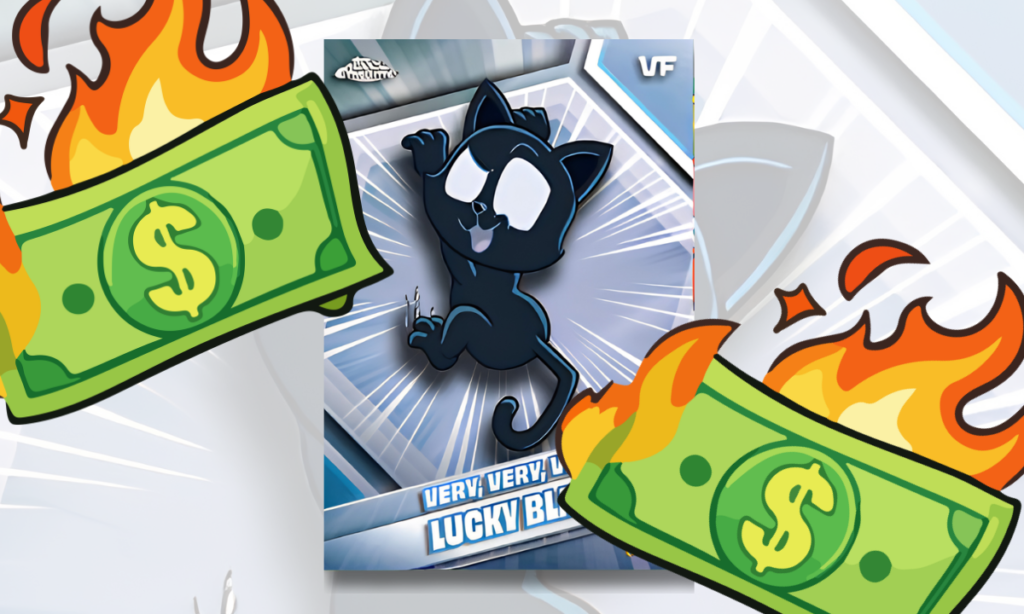
Here at The TCG Times we really try to approach every new TCG or collectible release with the same unbiased, factual, and researched framework. We look deep into it all from the Four Pillars, the weight of the IP, the publisher’s track record (good or bad), the community reception, and the honest question of whether the secondary market data supports the potential investments. We did it for the release of the Palworld TCG, the upcoming Naruto TCG, and now of course we have to do it for VeeFriends. Gary Vaynerchuk’s trading card project, published through Top and our verdict is the clearest and most direct we have delivered in a while.
We are NOT investing in VeeFriends, and we think you should think very carefully before you do either. Here is the full reasoning…
What VeeFriends Actually Is
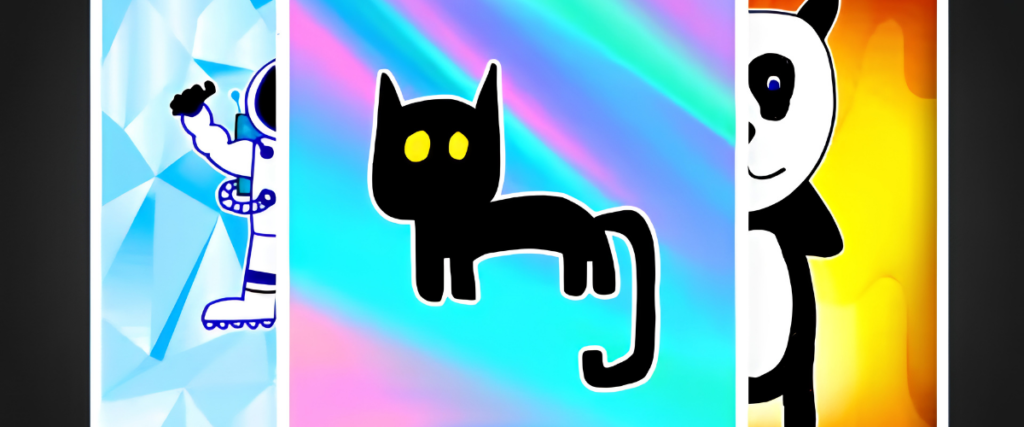
VeeFriends began as an NFT project launched by Gary Vaynerchuk in May 2021. If you know anything about NFT investments, you know this isn’t a great start. Gary released 10,255 NFTs based around 268 different characters, each character was built on some type of positive human trait. For example, Empathy Elephant, Patient Panda, Grateful Giraffe, etc, we are sure you get the idea. Gary apparently drew the original characters himself, and the NFT mint served as access passes (kinda like special tickets) to VeeCon, his annual conference, there were some other “benefits”, but this was the main idea. VeeFriends at the time was one of the higher-profile celebrity NFT launches of the 2021 boom period.
Now, where we are today… the project has now expanded into physical trading cards. The Topps Chrome VeeFriends Series 1 launched in May 2025, introducing 102 characters to the TCG. The 2026 Topps Chrome VeeFriends set is now releasing, featuring an additional 200 characters, with parallels, autographs, and comic relic cards, in layman’s terms they added new rarities. We should state that this product is professionally produced and legitimately distributed through Topps. And there are genuine collectors engaging with it.
Let’s be clear, we are not dismissing it as a fake product. We are saying the investment case does not hold up.
The NFT Track Record Is the First Red Flag
Before we dive deeper into VeeFriends as a trading card investment, it is worth asking a fairly obvious question: how did the NFTs of this IP perform for the people who invested in it?
If you know anything about NFTs, what you’re currently thinking is probably spot on. VeeFriends Series 1 NFTs originally sold for approximately 3 ETH or higher at launch in 2021, around $9,000 USD at the time, that’s honestly a solid start. The floor price for those same NFTs in 2026 sits at approximately 1.228 ETH, or roughly $3,330 USD, which for an NFT is quite high for 2026. For investors who bought at launch (sorry in advance) at the higher prices or during the 2021-2022 NFT peak, that represents a very significant loss in dollar terms, and that even before accounting for ETH’s own price volatility in the crypto space.
VeeFriends Series 2 tells a very similar story. Series 2 NFTs launched in April 2022 and were framed to the audience as a lower barrier to entry in terms of cost and a way to get into the NFT ecosystem. Currently, the floor price for the VeeFriends Series to is approximately 0.0538 ETH, or about $150 USD… People who purchased Series 2 NFTs at mint have, moly have lost money. Not a small amount either…
This is the honest performance history of the VeeFriends IP and the same IP that the physical trading cards are now being sold against. When we look at an IP for investment, one of the clearest sign how is how the same IP performed on its previous track record. Look at One Piece: the show moving to TCG, even though the show and the TCG are 2 very different mediums, there was a clear sign it had a strong enough IP to perform, which we are seeing now. When it comes to VeeFriends, the NFTs tell you something important about it’s potentional to perform long-term.
The IP Problem: There Is No Franchise Behind the Characters
Here is a basic issue that is very much over looked ot forgotton: most TCGs come from a different medium with well-known characters before entering the physical card market.
Every TCG we take seriously here at The TCG Times as an investment has IP weight that exists separately from the trading cards. Pokémon has thirty years of games, shows, movies, and global pop culture relevance. One Piece has a manga with 530 million copies sold, plus a Netflix series watched that has expanded into 84 countries and continues to build its fan base. Magic: The Gathering is the godfather of TCG’s with three decades of deeply developed world-building and lore. Even Palworld, to some extent, which we approached with calculated optimism, has had over 2 million active players and broken its way into mainstream media that audiences engage with independent of the cards.
VeeFriends has Gary Vaynerchuk’s personal brand… and the characters exist because Gary created them to sell NFTs, this is a fact. Besides that there is no game to play, show to watch, manga to read or decades of lore. The entire IP in its current state is purely dependent on Gary’s continued cultural relevance and his ability to grow his audience as well as convince his audience that these characters have value. CardLines, published in June 2025, put it directly: “The chances of VeeFriends becoming a global cultural phenomenon on the level of Marvel, Disney, Pokémon or Star Wars cards are a million-to-one longshot.”
Gary himself has described VeeFriends as “the next Disney/Pokémon.” With respect, the secondary market data from the NFT era does not support that claim. And we feel that CardLines ‘ initial message is far closer to the potential truth.
The Influencer Coordination History, The Past and The Future
We have previously covered how influencer activity can move TCG markets in our piece on TCG content creators. This is now a real concern with VeeFriends specifically as well, as it is the same tactic that drove NFT prices during the 2021-2022 boom and known as the “billionaire group call”…
We need to take a step back to understand fully. When the original VeeFriends NFT launched, Gary himself had organised what participants described as a “billionaire group call” that included influencers such as Logan Paul and MrBeast. This is not a rumour. Both Logan Paul and MrBeast have acknowledged their participation in the CryptoPunks promotion that Gary coordinated around the same period. The plan was obvious and simple, organising high-profile names to generate social media attention for an asset Gary held significant stakes in. It is well documented through the statements of those involved and blockchain transaction records that are publicly verifiable. These calls and background conversations are where the everyday trader is not aware of and they tend to give an edge to a select group of people.
To be very clear, we are not making legal conclusions here. We are making an investor’s observation. The model that drove VeeFriends’ initial NFT success relied heavily on a well-planned and calculated influencer momentum rather than organic growth through a dedicated community. Of course, when that momentum faded, so did the floor prices, and still to this day, they have not meaningfully recovered. The trading card launch seems to be following a structurally similar playbook.
The “Worst Possible Timing” Problem
In the world of TCGs, IP and popularity aren’t everything, time and launch dates can be key ot the success of a set or TCG release. Being as charitable as possible, VeeFriends launch timing could still be considered the worst possible entry point for investors. CardLines explained this clearly when reviewing the release: “The retail ship has sailed, and we’re in the post-release price bubble. Prices are inflated from hype, and boxes are now selling for multiples of MSRP on the secondary market. Investing now is risky, especially for a brand with so much to prove.” People are brought into the hype and now treating it the same as a Pokemon release for example.
This follows a pattern we have previously identified in our piece on the $2 Pack Problem and our 90-Day Rule. Launch window pricing combined with a product receiving hype reflects excitement, not fundamentals. For VeeFriends specifically, where the underlying IP has already shown its long-term NFT performance to be below average and many losing money, the launch premium looks even more unjustified.
The TCG Times’ Verdict: We’ll Pass
There will always be new releases we are cautiously optimistic about, but in doing so still acknowledging the meaningful risks. Look at Naruto in 2027 or Palworld in the short window around launch, there were and still are growing investment potential for both. If it isn’t clear, VeeFriends is not in that category. The VeeFriends IP has a past performance history through its NFT phase that really does not support investing in a physical card. The IP lacks an underlying franchise for exmaple a loved game, a quality anime or any significant pop culture relevance and infrastructure beyond one person’s personal brand. And one thing to really remember is the promotional model that drove the original enthusiasm has left behind a community of NFT holders who, on the data, lost money.
Now, if you are a collector and genuinely enjoy the product and, for some reason the characters resonate with you and the Topps Chrome format is right up your ally or you just like the art that is a completely legitimate reason to buy cards. We have absolutely no issues with that whatsoever. But buy as a collector, not as an investor.
Disclaimer: The TCG Times is a news and educational platform. All content provided is for informational purposes only and should not be construed as professional financial advice. All NFT price data is sourced from publicly available blockchain records and price tracking sites. Trading cards are high-risk, volatile assets. Always perform your own due diligence before making financial decisions.